Introduction
Air Independent Propulsion (AIP) systems represent a transformational advancement in submarine technology, enabling non-nuclear submarines to operate submerged for extended periods without accessing atmospheric oxygen. At the heart of modern fuel cell-based AIP systems lies a critical but often overlooked component: the hydrogen anode recirculation blower. This sophisticated piece of equipment plays a pivotal role in optimizing fuel cell efficiency, enhancing underwater endurance, and ensuring the tactical superiority of contemporary submarine platforms.
Unlike traditional diesel-electric submarines that must surface or snorkel frequently to recharge batteries, AIP-equipped vessels can remain submerged for weeks at a time, dramatically improving their stealth characteristics and operational effectiveness. Among the various AIP technologies—including Stirling engines, closed-cycle diesel, and closed-cycle gas turbines—fuel cell systems have emerged as particularly promising due to their silent operation, minimal thermal signature, and high efficiency. Central to these fuel cell systems is the anode blower, which manages hydrogen recirculation and ensures optimal electrochemical reactions within the fuel cell stack.
The Role of Hydrogen Anode Blowers in Fuel Cell Systems
Fundamental Operating Principles
Fuel cells generate electrical power through an electrochemical reaction between hydrogen and oxygen, producing water and electricity without combustion. In the anode path of a Proton Exchange Membrane (PEM) or Phosphoric Acid Fuel Cell (PAFC) system, hydrogen is supplied to the anode side of the fuel cell stack. However, not all hydrogen is consumed during the electrochemical reaction due to operational surplus requirements that maintain system stability and prevent cell starvation.
The hydrogen anode recirculation blower addresses this inefficiency by actively returning unconsumed hydrogen from the stack outlet back to the inlet, mixing it with fresh hydrogen supply. This recirculation serves multiple critical functions: it ensures uniform hydrogen distribution across all cells in the stack, improves start-up behavior, enhances overall system efficiency, and reduces hydrogen consumption by up to 20% compared to once-through systems.
Technical Configuration and Design Considerations
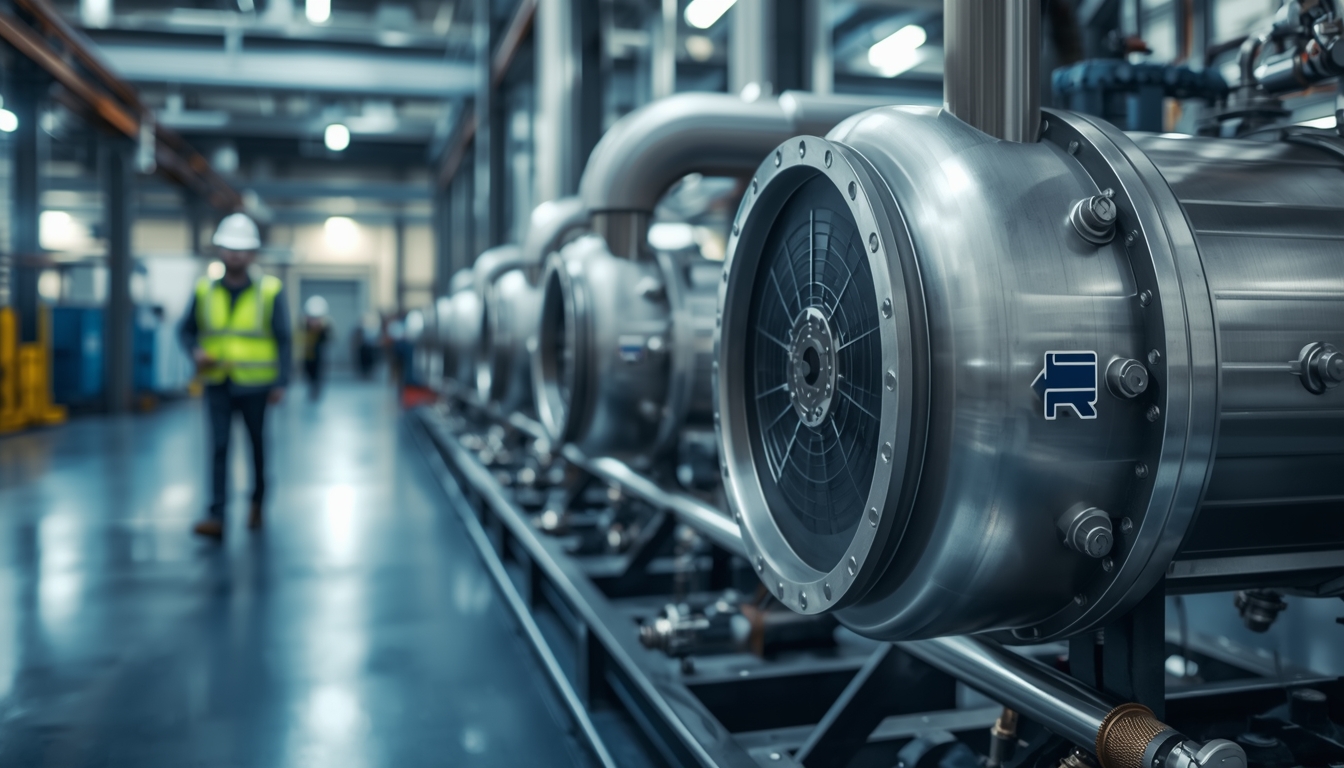
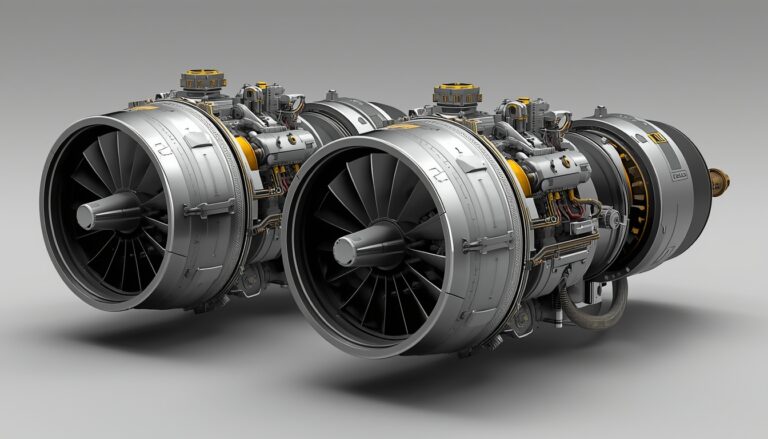
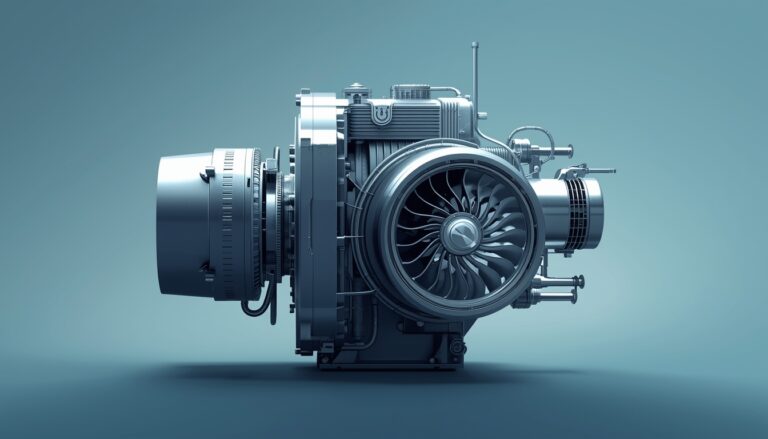
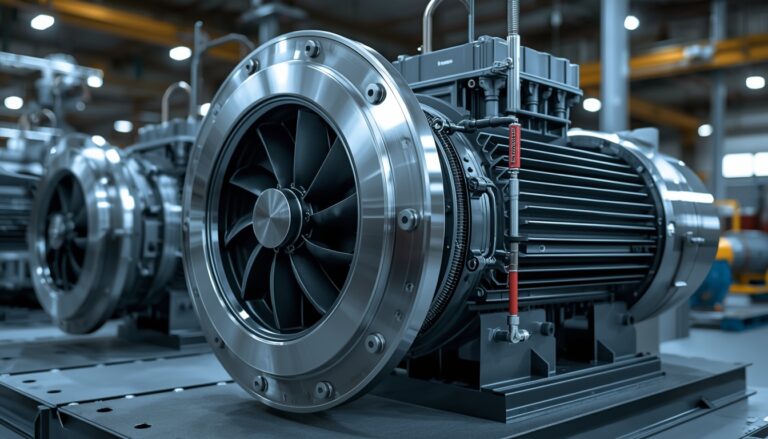
Modern anode recirculation blowers for AIP applications typically feature compact, highly integrated designs that minimize installation space and weight—crucial considerations in the space-constrained submarine environment. Leading manufacturers such as Bosch, ZF, and specialized marine equipment suppliers have developed blowers utilizing advanced electric motor technologies, including media-gap motors that eliminate the need for active cooling and integrate water separation directly within the device.
The blower operates in conjunction with passive ejector systems (jet pumps) to create a hybrid recirculation architecture. At low power demands, the passive jet pump may suffice, but as power requirements increase, the active blower ensures adequate hydrogen flow rates and pressure maintenance. Control is typically achieved via CAN-bus interfaces integrated with the fuel cell control system, enabling precise flow modulation based on real-time power demand and stack conditions.
Critical design parameters include:
- Media compatibility with high-purity hydrogen and moisture management
- Explosion-proof construction meeting ATEX or IECEx standards for hazardous atmospheres
- Low acoustic signature to maintain submarine stealth characteristics
- High reliability and minimal maintenance requirements for extended underwater operations
- Efficient water management to handle condensate in the anode path
Application in Naval AIP Systems
Current Implementations and Naval Programs
Several navies worldwide have successfully deployed or are developing fuel cell-based AIP systems featuring advanced anode recirculation technologies. The German Navy’s Type 212 and 214 submarines, equipped with HDW fuel cell systems, pioneered operational fuel cell AIP, storing liquid hydrogen and liquid oxygen (LOX) onboard to achieve underwater endurance exceeding two weeks. These systems employ sophisticated blower technologies to maximize hydrogen utilization efficiency.
India’s Defence Research and Development Organization (DRDO) has developed an indigenous fuel cell AIP system for the Kalvari-class submarines, utilizing PAFC technology with onboard sodium borohydride (NaBH₄) hydrolysis for hydrogen generation. The system incorporates dedicated anode and cathode recirculation blowers that return unreacted gases to the fuel cell stacks after moisture removal, with oxygen injection controlled based on concentration measurements in the recirculation loop. While initially targeted for 2025 installation, ground testing continues to validate system performance and integration requirements.
Spain’s Navantia has advanced third-generation AIP technology for the S-80 Plus submarine class, featuring on-demand hydrogen generation rather than stored hydrogen. This approach provides tactical and safety advantages by eliminating the hazards associated with storing large quantities of compressed or liquid hydrogen, while the integrated anode blower system ensures efficient hydrogen management throughout varying power demands.
Performance Enhancement and Operational Benefits
Recent computational studies demonstrate the substantial advantages of optimized anode recirculation systems in AIP applications. A 2025 study utilizing Mamdani-style fuzzy logic control for power allocation in hydrogen-based AIP systems revealed a 53% improvement in underwater endurance compared to conventional diesel-electric propulsion, alongside a 20% reduction in fuel consumption. These gains result from intelligent hydrogen management, where the anode blower plays a crucial role in maintaining optimal stoichiometric ratios and preventing hydrogen waste.
The recirculation blower also serves critical auxiliary functions during start-up and shutdown sequences. During cold starts, the blower provides anode path conditioning by purging inert gases and establishing proper hydrogen concentration before power generation commences. During shutdown, it facilitates safe purging to prevent hydrogen accumulation and ensure system readiness for subsequent operations. These functions are particularly important in submarine applications where rapid response to changing tactical situations is essential.
Technical Challenges and Future Developments
Integration and Reliability Considerations
Integrating hydrogen anode blowers into submarine AIP systems presents unique challenges. The marine environment demands exceptional reliability, as maintenance opportunities are extremely limited during extended patrols. Blowers must operate flawlessly in conditions ranging from tropical surface temperatures to near-freezing deep-water environments, while managing hydrogen purity, moisture content, and pressure variations.
Acoustic signature management represents another critical challenge. Submarines depend on stealth for survival, and any rotating machinery introduces potential noise sources. Advanced bearing technologies, magnetic coupling drives, and vibration isolation systems are employed to minimize the acoustic footprint of anode recirculation blowers. Some designs incorporate variable speed control algorithms that optimize flow rates while maintaining the lowest possible rotational speeds consistent with system demands.
Water management within the anode path poses additional complexity. As hydrogen recirculates and temperature variations occur, condensation can form in the anode circuit. Excessive water accumulation can flood cells and impair performance, while insufficient humidity can damage membrane materials. Modern anode blowers integrate water separation and drainage functions, often utilizing centrifugal separation enhanced by the blower’s rotational motion to continuously remove liquid water from the hydrogen stream.
Emerging Technologies and Performance Optimization
The next generation of hydrogen anode blowers for AIP systems is leveraging advances in several technological domains. Computational Fluid Dynamics (CFD) optimization enables precise design of impeller geometries that maximize efficiency while minimizing pressure losses and acoustic generation. Advanced materials, including polymer composites and corrosion-resistant alloys, reduce weight while improving durability in the chemically aggressive fuel cell environment.
Control system sophistication continues to advance, with model predictive control algorithms optimizing blower operation based on fuel cell stack health monitoring, power demand forecasting, and hydrogen consumption patterns. Integration with overall submarine energy management systems enables coordinated operation between fuel cells, battery banks, and hotel loads to maximize underwater endurance.
Magnetic bearing technologies are emerging as potential game-changers for anode blower applications. By eliminating mechanical contact and lubrication requirements, magnetic bearings promise near-silent operation, extended maintenance intervals, and compatibility with the high-purity hydrogen environment. However, these technologies require careful electromagnetic signature management to maintain submarine stealth characteristics.
Conclusion
Hydrogen anode recirculation blowers represent a critical enabling technology for modern fuel cell-based AIP systems, directly impacting submarine performance, endurance, and operational effectiveness. By efficiently managing hydrogen distribution and recirculation, these compact yet sophisticated devices contribute to substantial improvements in underwater endurance—up to 53% compared to conventional propulsion—while reducing fuel consumption and maintaining the stealth characteristics essential for submarine operations.
As naval forces worldwide continue to invest in AIP technology to complement or supplement nuclear submarine capabilities, the evolution of hydrogen anode blower technology will remain central to achieving performance objectives. Ongoing developments in materials science, control algorithms, acoustic management, and integrated water handling promise further performance gains and enhanced reliability. For navies seeking cost-effective, highly capable submarine platforms, the synergy between advanced fuel cell systems and optimized anode recirculation blowers offers a compelling pathway to maritime superiority in littoral and open-ocean environments.
The successful integration of these systems into operational platforms by Germany, Spain, India, and other nations demonstrates the maturity and viability of the technology. As research continues and operational experience accumulates, hydrogen anode blowers will undoubtedly evolve further, contributing to even more capable and enduring AIP-equipped submarines that extend the reach and effectiveness of non-nuclear submarine forces worldwide.